
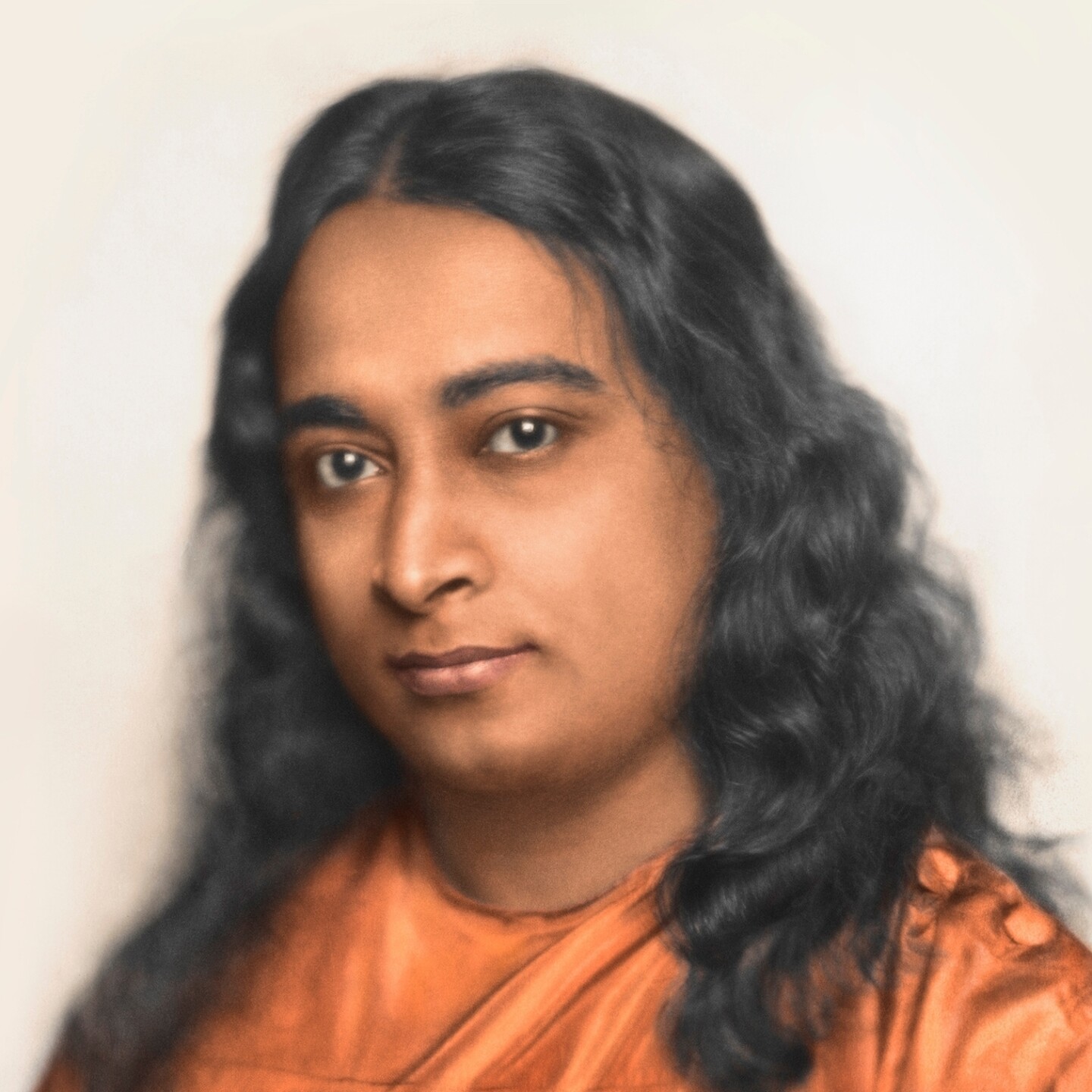
May 10, 2005 marks the 150th anniversary of the birth of Swami Sri Yukteswar — the revered guru of Paramahansa Yogananda. Swami Sri Yukteswar, an ideal exemplar of India’s ancient heritage of illumined rishis, is venerated as a Jnanavatar ("incarnation of wisdom") by people all over the world who have been inspired by his life and teachings. He manifested the self-mastery and divine attainment that have been the highest goal of truth seekers throughout the ages.

In his Autobiography of a Yogi, Paramahansa Yogananda describes his many years of spiritual discipline in Sri Yukteswar’s ashram in Serampore, India. Yogananda wrote of his Guru: "Each day with him was a new experience in joy, peace, and wisdom….Sri Yukteswar was reserved and matter-of-fact in demeanor. There was naught of the vague or daft visionary about him. His feet were firm on the earth, his head in the haven of heaven. Practical people aroused his admiration. ‘Saintliness is not dumbness! Divine perceptions are not incapacitating!’ he would say. ‘The active expression of virtue gives rise to the keenest intelligence.’

"Sri Yukteswar’s intuition was penetrating; heedless of remarks, he often replied to one’s unexpressed thoughts….I daresay he would have been the most sought-after guru in India had his speech not been so candid….

"Amazing it was to find that a master with such a fiery will could be so calm within. He fitted the Vedic definition of a man of God: ‘Softer than the flower, where kindness is concerned; stronger than the thunder, where principles are at stake.’"

Born Priya Nath Karar in Serampore (near Calcutta) in 1855, Swami Sri Yukteswar’s incisive intellect and thirst for knowledge were evident even as a young boy. Later on, his pursuit of Truth led him to the great master Lahiri Mahasaya of Banaras, who extolled the sacred science of Kriya Yoga meditation as the most effective means of attaining God-realization, and who was the first to teach openly this ancient science in modern times. Through the guidance of Lahiri Mahasaya and through his own practice of Kriya, Sri Yukteswar achieved the supreme spiritual state.

A saint of truly universal outlook, Sri Yukteswar recognized that a synthesis of the spiritual heritage of the East with the science and technology of the West would do much to alleviate the material, psychological, and spiritual suffering of the modern world. His deep conviction that tremendous advances could be made, both individually and internationally, by exchange of the finest positive features of each culture was crystallized by his remarkable meeting with Mahavatar Babaji, the guru of Lahiri Mahasaya. His spiritual classic, The Holy Science, demonstrates and explains the universal evolution of consciousness, energy, and matter — the entire spectrum of experience we call life.

It was in 1910 that Sri Yukteswar met the disciple whom Babaji had promised to send him for disseminating Yoga in the West: Mukunda Lal Ghosh, on whom Sri Yukteswar later bestowed the monastic name of Paramahansa Yogananda. In 1920 Swami Sri Yukteswar sent his foremost disciple, Sri Yogananda, to America to disseminate knowledge of the liberating science of Kriya Yoga to truth seekers around the world. It was for this purpose that Paramahansa Yogananda founded Self-Realization Fellowship/Yogoda Satsanga Society of India.

In 1935, Paramahansaji received an intuitive summons from his guru — a portent that his guru’s days were drawing to a close — and so he returned to India for a year-long visit. The following excerpt from an account by Richard Wright, brother of Sri Daya Mata and one of two Americans who had accompanied Paramahansaji on his trip, provides a personal description of Sri Yukteswar: "I easily perceived the saintliness of the Great One through his heart-warming smile and twinkling eyes. Quickly discernible in his merry or serious conversation is a positiveness in statement: the mark of a sage — one who knows he knows, because he knows God. The master’s great wisdom, strength of purpose, and determination are apparent in every way."

Sri Yukteswar entered mahasamadhi (a yogi’s final, conscious exit from the body) on March 9, 1936. In its report of the burial ceremony for Swami Sri Yukteswar, the leading newspaper of Calcutta, Amrita Bazar Patrika, stated: "India is really poorer today by the passing of such a great man. May all fortunate enough to have come near him inculcate in themselves the true spirit of India’s culture and sadhana which was personified in him."


Updated 4/26/05
Copyright © 2005 Self-Realization Fellowship. All rights reserved.

site map